
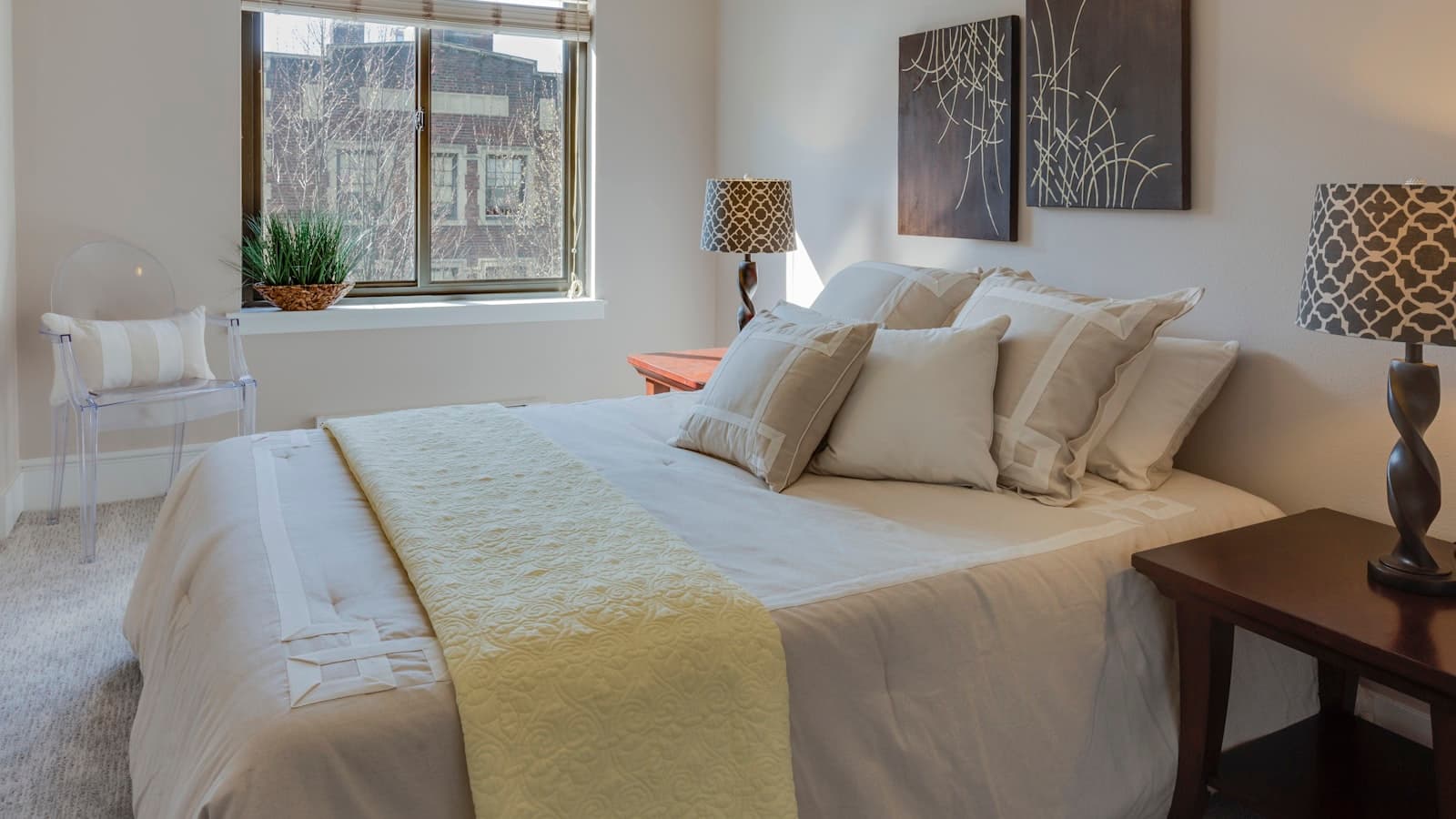
Renting a room in New York City often arrives with a surprise cost most newcomers do not budget for: the broker fee. For anyone moving to Manhattan or the outer boroughs on a normal timeline, that single charge can add thousands of dollars to an already steep move-in bill. The good news is that no-fee rooms genuinely exist, and knowing where to look, and what to verify, makes the difference between a smooth move and a costly one.
This guide explains what a broker fee is and why it exists, walks through the three legitimate ways to rent a room without paying one, and flags the scam patterns that tend to cluster around "no broker fee" listings.
What a Broker Fee Actually Is
In many U.S. cities you rent directly from a landlord or a property manager and never encounter a middleman charge. New York is different. Here, a real estate broker often stands between the apartment and the renter, and that broker expects to be paid when a lease is signed.
Historically, the tenant paid that commission, even when the broker was hired by the landlord rather than by the renter. Years of debate followed, and the rules continue to evolve, so you should always confirm who is responsible for any fee before you commit to a specific unit.
How the fee is calculated
When a broker fee applies, it is usually quoted one of two ways: as one month's rent, or as a percentage of the annual rent. That percentage typically lands in the range of 12 to 15 percent of a year's rent. On a room or apartment, that can translate into a four-figure sum due up front, on top of first month's rent and a security deposit. Stacked together, these standard structures are the reason a monthly rent that looks manageable can require a large lump sum on day one.
Understanding this math matters because it reframes the search. A no-fee room is not simply a nice bonus. It can be the single largest saving available to you when you rent a room in NYC.
The Three Genuinely No-Fee Paths
There are three reliable ways to avoid a broker fee entirely. Each one works, and each comes with its own things to check.
1. Owner-direct and landlord-direct listings
The most direct route is to rent from the owner or a landlord's own leasing office, with no broker in the chain. Because no third party is placing the listing, there is no commission to pass along.
What to verify:
- Confirm you are speaking with the owner or an in-house employee, not a broker who will introduce a fee later.
- Ask, in writing, whether any fee applies at signing.
- Check that the person showing the unit can actually produce a lease and proof they manage the building.
2. A room in someone's apartment
Renting a spare room from a current tenant, or from a roommate who is leaving, is another no-fee path. These arrangements are person-to-person, so there is rarely a commission involved.
What to verify:
- Ask whether the lease permits subletting or roommates; some buildings restrict this.
- Get the terms in writing, including how utilities and shared costs are split.
- Be clear about the length of stay. Under NYC Local Law 18, rentals shorter than 30 days are prohibited unless the host is registered and present, so most informal short stays are not legal.
3. In-house-managed coliving buildings
A growing option is the coliving building that manages its own rooms and leases directly. Because the operator runs the property and lists rooms itself, there is no broker and therefore no broker fee by design.
What to verify:
- Confirm the price is all-inclusive, or understand exactly what is added on top.
- Ask about minimum stay, since coliving rooms are meant for stays of a month or longer, in line with Local Law 18.
- Check what is handled for you. Furniture, utilities, internet, and cleaning are often bundled into a single rate.
You can compare available options and layouts on the rooms page before you reach out.
What to Verify Before You Sign, No Matter the Path
Regardless of which route you take, a few checks protect you:
- Get every number in writing. Monthly rent, deposit, any fee, and utility costs should all appear in a document, not just a text message.
- See the actual room. A live video tour is reasonable when you are relocating from out of town, but you should see the specific room, not a generic photo set.
- Understand the lease length and exit terms. Know your notice period and what happens if your plans change.
- Confirm who manages the building. You want a clear answer about who to call when the heat fails in January.
Spotting No-Fee Listing Scams
The phrase "no broker fee" attracts scammers precisely because it draws motivated renters. A few patterns show up again and again:
- A deposit requested before any viewing. No legitimate operator needs a wire transfer to "hold" a room you have never seen.
- Prices far below what similar rooms typically ask. If a listing sits dramatically under the going rate, treat it as a warning rather than a find.
- Pressure to move fast. "Three other people want it today" is a tactic designed to skip your due diligence.
- An owner who is conveniently overseas. The classic version claims they cannot show the unit in person and asks you to pay first.
When a listing is managed by an established building with a public address, a working phone line, and a real lease, most of these risks disappear. That structural trust is a large part of why the coliving model appeals to people arriving in the city without a local network.
Why the Coliving Model Is No-Fee by Structure
At Amsterdam Place, a coliving building on the Upper West Side, rooms are managed in-house and leased directly to residents. That structure removes the broker from the equation, which is why there is no broker fee. Rooms start from $420 per week, billed every four weeks, and the rate is all-inclusive: utilities, gigabit Wi-Fi, and weekly common-area cleaning are covered in one number.
The model is also built for people relocating from abroad or from another state. There is no US guarantor requirement, no US credit check, and no broker fee, which are the three barriers that most often stall an international or out-of-state move. Because stays are month-based rather than nightly, the building operates well within NYC Local Law 18, which prohibits rentals under 30 days.
For early-career professionals, students, and anyone landing in the city for a new job or program, that combination removes the up-front lump sum and much of the paperwork a traditional lease demands. If you want to understand the furnished, no-fee option in more depth, the no broker fee furnished room guide walks through how it works day to day.
Putting It Together
Avoiding a broker fee is not about finding a loophole. It is about choosing a path where no broker is involved in the first place. Owner-direct listings, a room in someone's apartment, and in-house-managed coliving buildings each get you there, provided you verify the terms and stay alert to the scam signals above. When you are ready to compare real rooms and rent a room in NYC without a surprise fee, start with a building that lists its rooms and prices openly.
Ready to move in without a broker fee? Reserve your room at Amsterdam Place and see how a direct, all-inclusive lease works.