
Finding housing as a Juilliard student in New York City means solving a puzzle that most students never have to think about: you need a bed close enough to Lincoln Center for a 8am rehearsal, a route home that you can walk at midnight while carrying an instrument, and a room quiet enough to actually sleep in after a performance ends past 10pm. The academic side of the decision is straightforward. The logistics are not.
This guide walks through what on-campus housing at Juilliard generally offers, what changes when you look off campus, and how the neighborhoods north of Lincoln Center along the 1 train fit into the picture. It is written for conservatory students specifically, because your constraints are genuinely different from those of a student on a standard university calendar.
Where Juilliard Actually Sits
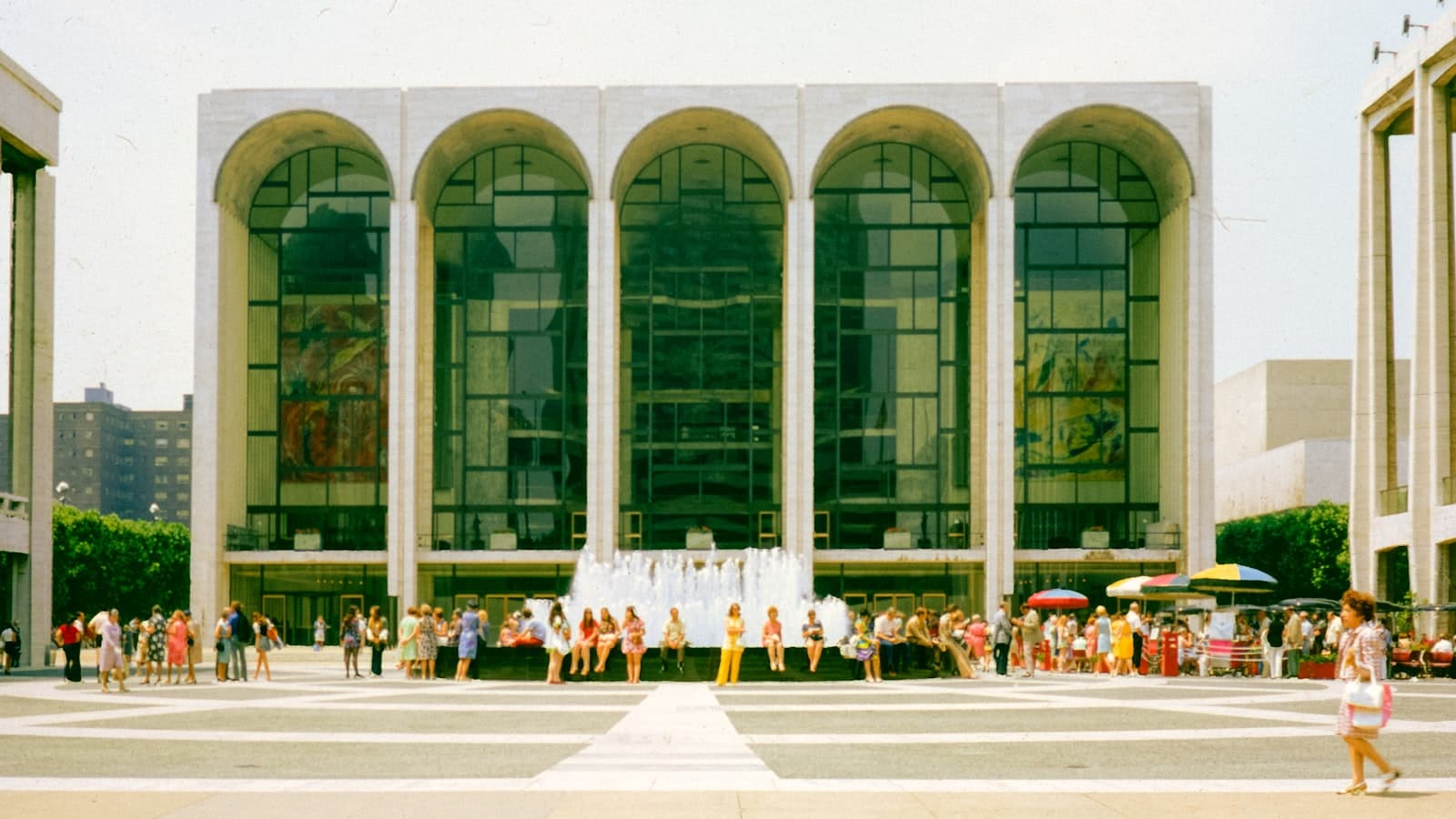
Juilliard is located at Lincoln Center, at Broadway and 65th Street on Manhattan's West Side. That address matters more than it might for another school, because your building is not a campus you commute to once a day. It is a place you go back and forth from (practice, class, rehearsal, coaching, performance), often several times between morning and night.
The Meredith Willson Residence Hall is Juilliard's on-campus housing, situated within the Lincoln Center complex. Living there means your commute is measured in an elevator ride. For a student who needs a practice room at 7am or who finishes a call at 11pm, that proximity is the single most valuable feature any housing can offer.
What On-Campus Housing Generally Offers, and Its Limits
Conservatory residence halls tend to share a common set of characteristics, and Juilliard's is no exception in broad strokes. On-campus housing is typically furnished, billed on the school's schedule, and built around the reality that residents are musicians, dancers, and actors with irregular hours.
It also comes with constraints that are worth understanding before you plan around it:
Capacity. Residence halls hold a finite number of students. Most conservatories cannot house their entire student population, which means not everyone who wants a room gets one.
Priority rules. Schools generally allocate on-campus housing according to a stated priority order, commonly favoring incoming or first-year students, sometimes with different rules for returning students or those in particular programs.
Academic-calendar lease windows. On-campus housing is usually tied to the school year rather than a 12-month calendar. That is a real advantage if your year ends in May, and a real problem if you have a summer festival, an audition tour, or an early arrival for a program that starts before the hall opens.
Each of these operates differently at every school, and the specifics change from year to year. Do not plan your housing around anything you read in a guide, including this one. Confirm capacity, eligibility, priority order, rates, application deadlines, move-in and move-out dates, and any policies about practice, guests, or instruments directly with Juilliard's Office of Residence Life. They are the only source that is both current and authoritative.
When You Look Off Campus
If on-campus housing is not available to you, or the calendar does not line up with your year, the next step is the open New York rental market. It is worth knowing what that involves before you start.
A conventional Manhattan apartment search usually means some combination of the following:
A broker fee. Many listings in New York carry a broker fee, historically charged to the tenant and often calculated as a percentage of annual rent or a flat month's rent. It is paid up front, on top of everything else.
A guarantor. Landlords commonly require a guarantor with US income (frequently at a multiple of the annual rent) who co-signs the lease. For international students, and for students whose families are outside the US, this is often the hardest requirement to satisfy. Institutional guarantor services exist but charge their own fee.
US credit history. Applications typically ask for a credit check. If you have just arrived in the country, you may not have a file to check.
A 12-month lease against a 9-month school year. This is the structural mismatch. A standard New York lease runs a full year. A conservatory year does not. You either pay for months you are not here, sublet and hope it works, or negotiate, and most landlords do not negotiate.
An empty room. Unfurnished is the default. Furnishing a room from scratch, in a city where you likely arrived with a suitcase and an instrument case, is its own project and its own expense.
None of this is a reason to avoid the off-campus market. It is a reason to budget the full cost (fees, deposit, furniture, the months you may not use) rather than just the monthly rent.
The Neighborhoods North of Lincoln Center
Geographically, the most sensible place to look is the corridor running north from Lincoln Center: the Upper West Side. The neighborhood begins just above the Lincoln Center complex and runs up the west side of Central Park.
The practical reason is the 1 train. It connects the 66th Street–Lincoln Center station directly to stations at 72nd, 79th, and 86th Street, running straight up Broadway. This is a single-seat ride with no transfer, which is a meaningfully different experience at 7am with a cello than a route requiring a change of trains.
The Upper West Side is also a residential neighborhood rather than a nightlife district: quieter streets, more of the everyday infrastructure a student actually uses, and a walk-home route that stays populated in the evening. For a student who often gets home late and needs to be up early, that combination does a lot of work.
You can read more about the broader picture of student housing in NYC if you want to compare this corridor against other parts of the city.
What Actually Matters for a Conservatory Student
Standard housing advice does not account for the specifics of a musician's or dancer's day. Three things deserve more weight than they usually get:
Commute time to early rehearsals
A 20-minute commute sounds fine on paper. Doubled (there and back) and repeated across a day with a morning rehearsal, an afternoon class, and an evening call, it becomes an hour or more of your day spent underground. Measure your commute in the number of round trips you will actually make, not in single-trip minutes.
Transporting an instrument safely
If you carry a large or fragile instrument, your route home is not a neutral variable. Stairs, transfers, crowded platforms, and long walks from the station all add risk and fatigue. A shorter, simpler, better-lit route is worth more than a slightly larger room further out.
Somewhere quiet to sleep after a late performance
You are going to get home at 11pm with adrenaline still running, and you are going to need to be functional the next morning. A quiet room and a quiet building are not a nice-to-have on this schedule. They are the thing that makes the schedule survivable.
If commute simplicity is your top constraint, it is worth looking specifically at what is available in the Columbia and Juilliard housing corridor along the 1 train.
Where Furnished Coliving Fits
Between the residence hall and the 12-month unfurnished lease, there is a third option worth knowing about: furnished coliving. It exists precisely because the conventional market does not serve students, visiting artists, or anyone whose calendar is not 12 months long.
Amsterdam Place, at 205 and 207 West 85th Street, sits in that middle ground. It offers private furnished rooms, from $420/week billed every four weeks, all-inclusive: utilities, gigabit Wi-Fi, and weekly common-area cleaning. There is no broker fee, no US guarantor, and no US credit requirement, with a four-week minimum stay.
The 85th Street location puts you a short walk from the 86th Street station on the 1 train, which is a direct ride down Broadway to 66th Street–Lincoln Center. No transfer, no stairs to a second platform, and a residential neighborhood at the other end of a late night.
The honest framing: coliving is not a replacement for on-campus housing if you can get it and the calendar works. Nothing beats an elevator ride to a practice room. But if you are outside the residence hall, whether by capacity, priority, or timing, it removes the specific barriers that make the conventional market hard for a student: the fee, the guarantor, the credit file, and the year-long commitment against a nine-month year.
If you are weighing options more broadly, our overview of student housing in NYC covers how these paths compare, and our guide to coliving on the Upper West Side goes deeper on the neighborhood itself.
A Sensible Order of Operations
- Contact Juilliard's Office of Residence Life first. Ask about eligibility, priority, deadlines, rates, and the exact lease window. Get the real answer for your year, not a general one.
- Compare that window against your actual calendar. Count the summer, the early arrival, the audition travel. If there is a gap, name it now.
- If you need off-campus housing, price the full cost. Fee, deposit, guarantor service, furniture, and any months you will pay for but not use.
- Weigh the routes, not just the rents. Round-trip commute count, instrument transport, and the walk home at midnight.
Housing should be the part of your year you think about least. If a furnished private room on the Upper West Side with a direct 1 train ride to Lincoln Center fits your calendar, you can reserve a room and have that part settled.